Cancer Treatment
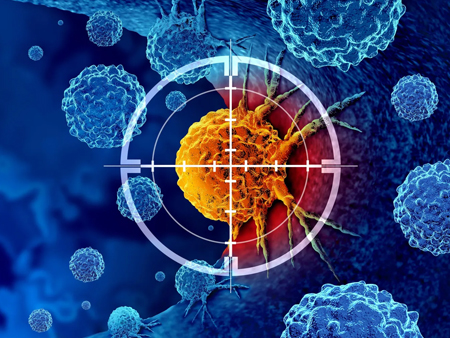
Modern cancer treatments are enabling many people to live longer and more fulfilling lives. Available treatment options may include surgery, radiation therapy, chemotherapy, hormone therapy, immunotherapy, targeted therapy, and other advanced approaches. Your healthcare provider will suggest a personalized treatment plan based on your specific diagnosis, including the type of cancer, its stage, and the overall goals of care.
The primary goal of cancer treatment is to eliminate the disease and allow you to live a normal life span. However, this depends on your individual condition and the stage of the cancer. When a complete cure is not achievable, treatment focuses on reducing the size of the cancer or slowing its progression to help manage the disease effectively.
Types of cancer treatment
- Surgery
- Radiation therapy
- Chemotherapy
- Hormone therapy
- Immunotherapy
- Targeted therapy
- Ablation
- Bone marrow transplant
- Clinical trials
What Guides Cancer Treatment Decisions?
Cancer specialists (oncologists) determine the most appropriate treatment plan based on several important factors, including:
- The specific type of cancer
- The stage of the cancer, meaning how advanced or widespread it is
- How aggressive or fast-growing the cancer appears to be
- Your overall health and ability to tolerate treatment, including how well you are expected to respond