CBD Stones
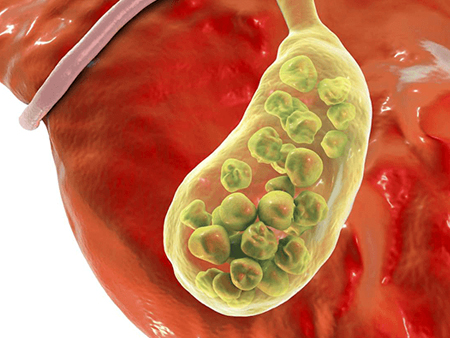
The common bile duct is a small tubular structure within the biliary system that carries bile from the liver and gallbladder into the small intestine, where it helps in digestion. Choledocholithiasis, commonly known as a common bile duct (CBD) stone, refers to the presence of one or more gallstones within the common bile duct. The most characteristic symptom is pain in the right upper part of the abdomen. Treatment typically involves Endoscopic Retrograde Cholangiopancreatography (ERCP) to remove the stone, and in some cases, Laparoscopic cholecystectomy may be required.
Choledocholithiasis can be classified into two types:
Primary choledocholithiasis: Stones that form directly within the bile ducts.
Secondary choledocholithiasis: Stones that originate in the gallbladder and later migrate into the bile duct, where they become lodged.
Symptoms
The condition may be symptomatic or asymptomatic. The most common symptom is sudden, severe pain in the right upper abdomen, known as biliary colic. Other signs and symptoms of choledocholithiasis (CBD stones) may include :
- Jaundice (yellow discolouration of skin)
- Nausea and vomiting
- Inability to eat fatty food
- Pruritus (itchy skin)
- Chronic diarrhoea
- Haematuria (urine turning tea-coloured)
- Greasy and foul-smelling stools
Risk Factors
Nonmodifiable Risk Factors include:
- Female gender
- Family history
- Pregnancy
- Age older than 40 years
Modifiable Risk Factors include:
- Obesity
- High-Fat, High-Cholesterol Diet
- Rapid Weight Loss
- Sedentary Lifestyle
- Poorly Controlled Diabetes
- Smoking
- Estrogen-Containing Medications